



deGet a demoTry for free
Shared Inbox vs. Ticketing System: Why the Switch Hurts — and Why It's Still Worth It

Legal & Notices

When You Don't Notice Your Business Is on Fire

Resource management for agencies – clear capacity, no bottlenecks

See your team's capacity at a glance. Forecast needs, balance workloads, and make every hour count – without overloading anyone.

Hero backgroundLeadtime capacity view

Overtime Made Transparent and Fair

In fast-paced service businesses, short-term workload peaks are inevitable. Sometimes, the only way to deliver a project on time is a few extra hours from the team. Leadtime helps you turn this sensitive topic into a win-win: overtime is logged exactly where work happens — on tickets and tasks — making every extra hour traceable and easy to compensate.

You can see precisely what caused overtime, keep records transparent, and make fair decisions on compensation. Whether you grant time off or pay it out, nothing gets lost, and employees know their effort is valued.

Try for free
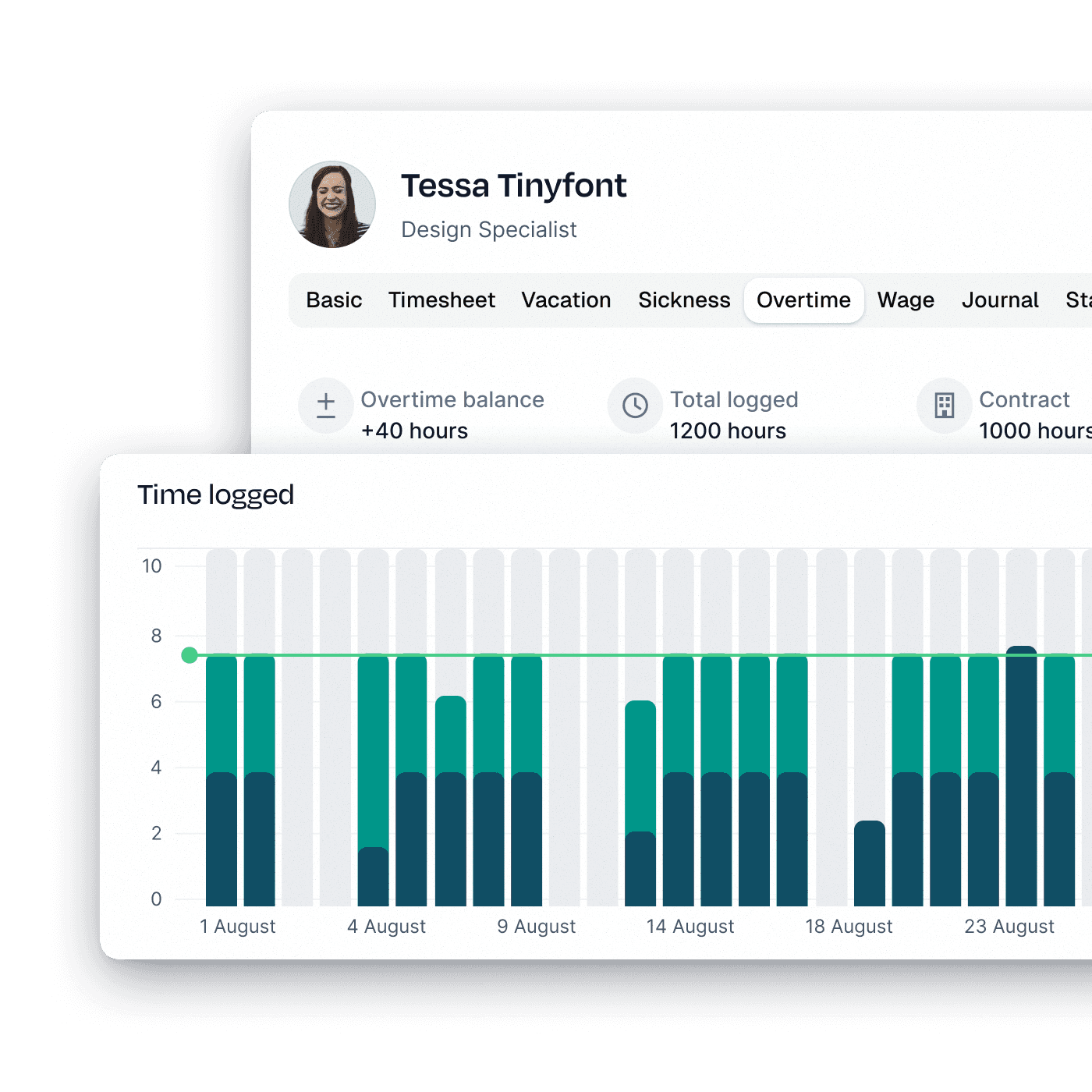
Overtime overview

Match Pay to Impact

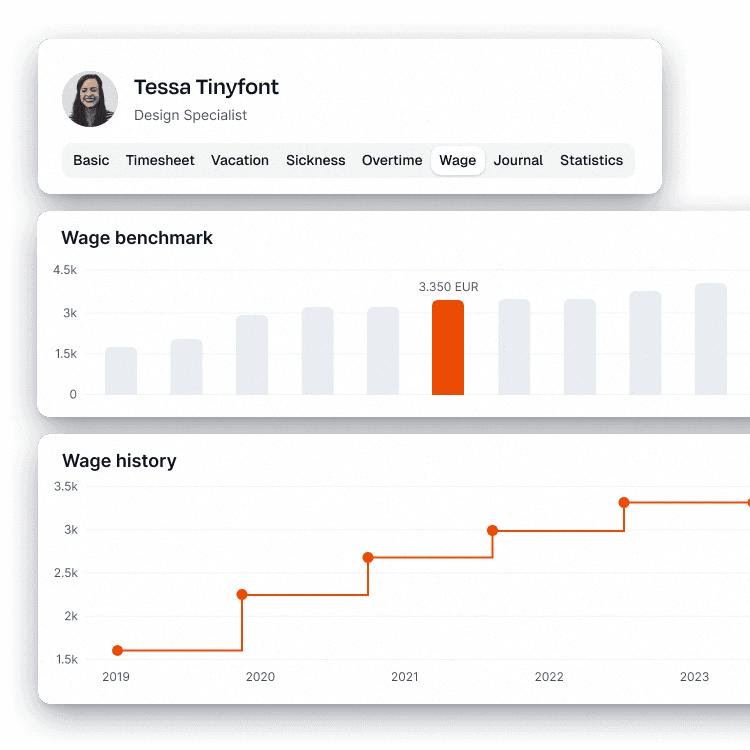
In service businesses, smart resource planning isn’t just about capacity — it’s also about profitability. Leadtime connects salary data with the actual revenue contribution of each team member, giving you a clear picture of whether resources are being used efficiently.

Managers can benchmark salaries across the team and track their development over time, including bonuses and special payments. Anonymous internal comparisons can be shared with employees to create transparency without exposing individual data.

By linking compensation to performance data, Leadtime provides a solid foundation for fair salary discussions and strategic workforce planning — ensuring that every role is aligned with the value it creates.

Try for free
Compensation benchmark

Time Off That Fits the Plan

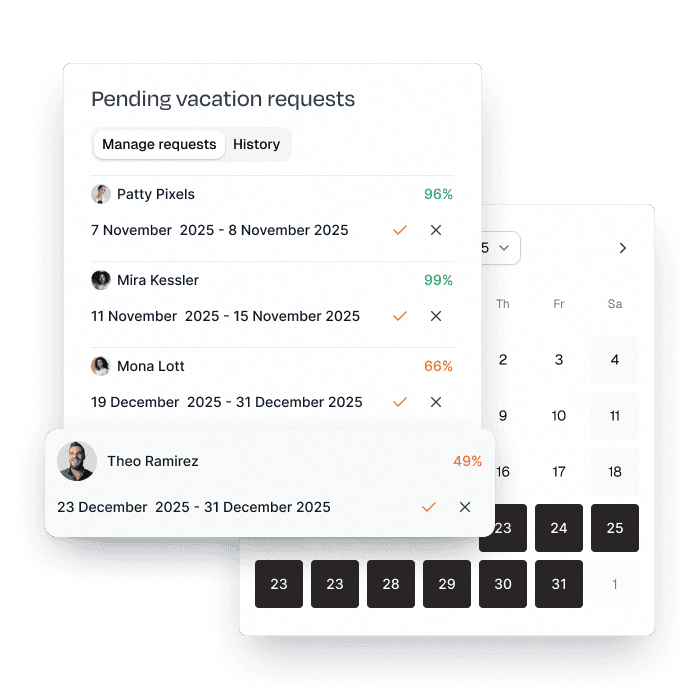
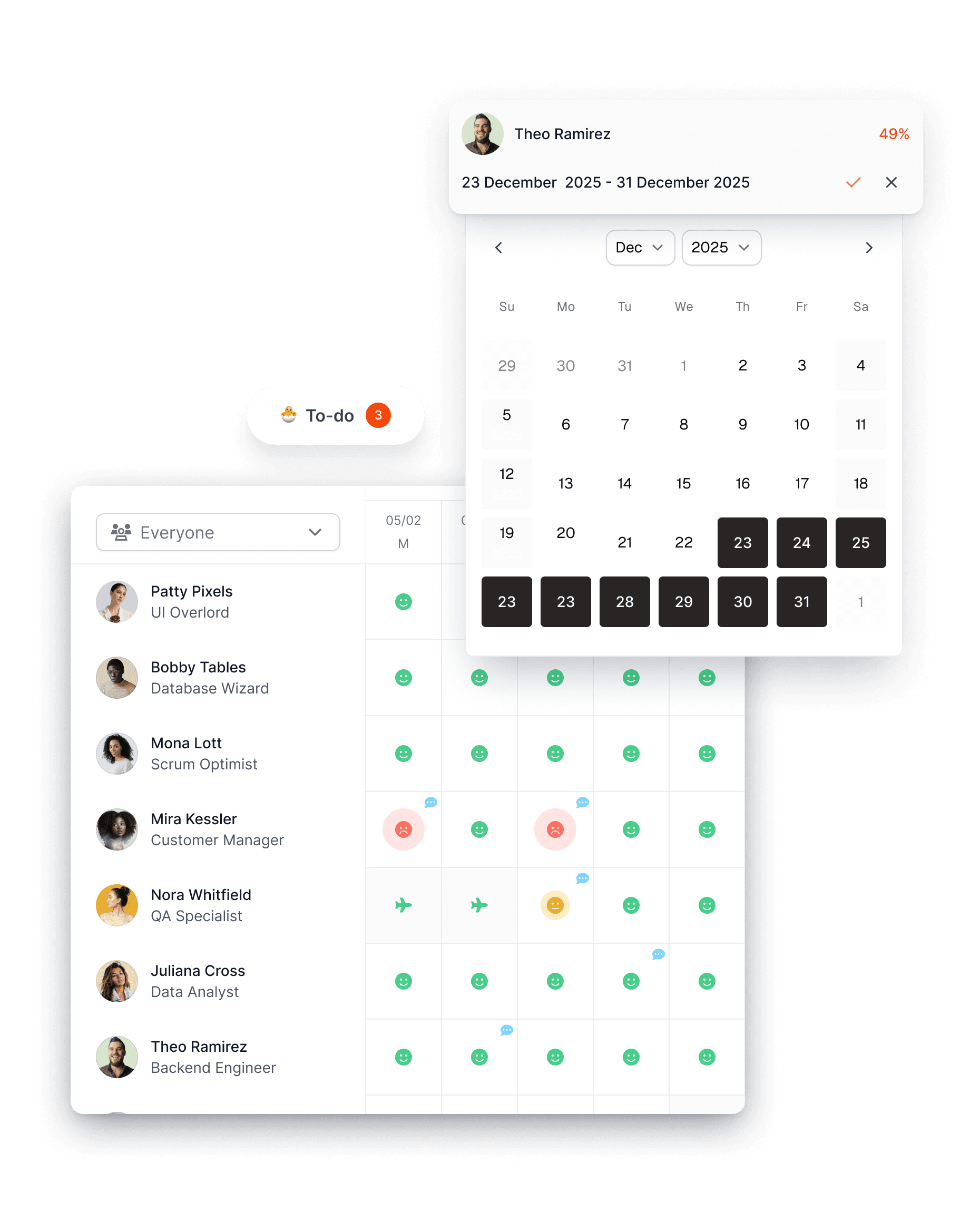
Vacation planning is often treated as an afterthought — yet it’s crucial for accurate capacity planning. Leadtime integrates a full vacation management system directly into your daily workflow. Employees request time off right where they already track time and manage projects, making the process effortless.

Managers instantly see how each vacation request affects overall team capacity, ensuring decisions are made with full visibility. They can approve requests faster, plan smarter, and avoid hidden bottlenecks before they happen.

With everyone working in the same system, vacation scheduling becomes transparent, predictable, and easy to manage.

Try for free
Vacation planning

Plan Sprints with Ease

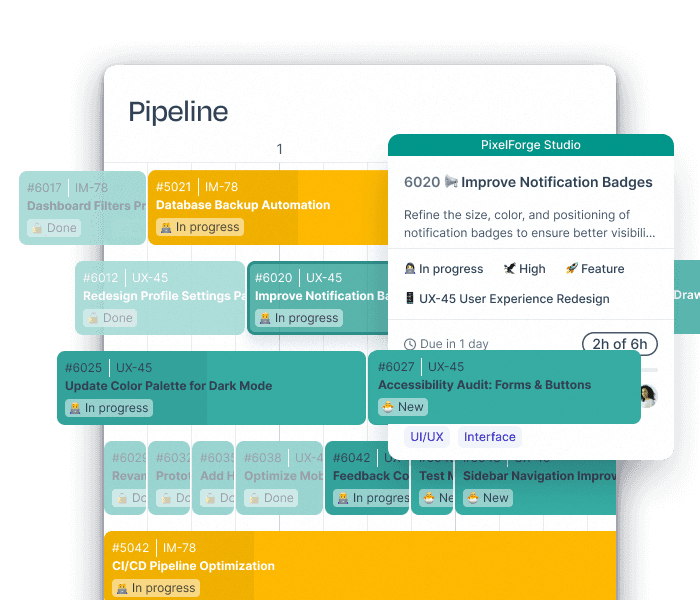
Capacity planning is often where ambitious project timelines fall apart. Leadtime’s Pipelines turn weekly sprint planning into a clear, visual process. Tasks are assigned directly to each team member’s available working time, creating realistic workloads and clear accountability.

Using a simple drag-and-drop interface, you can distribute tickets across your team in minutes — no endless meetings or messy chat threads required. The pipeline view lays tasks out on a timeline, making it easy to spot overloads, balance responsibilities, and keep everyone aligned.

The result: smoother coordination, accurate capacity planning, and a team that knows exactly what to focus on each week.

Try for free
Pipeline planning

Keep a Pulse on Your Team’s Energy

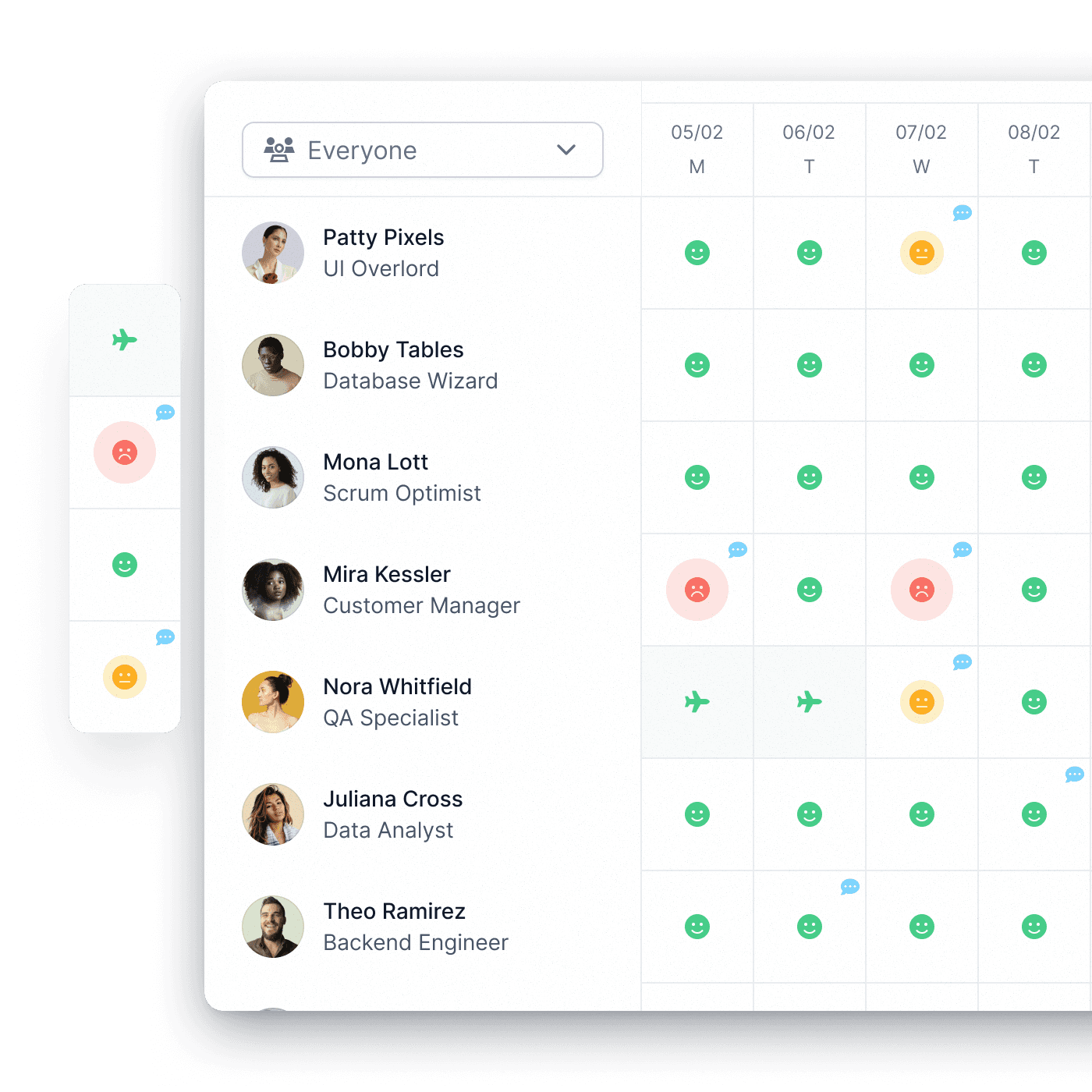
Pushing your team to full capacity is only sustainable if you keep an eye on their wellbeing. Leadtime’s Mood Barometer gives employees a simple way to flag overload, stress, or other issues in real time.

Daily mood check-ins create a transparent feedback loop between team and leadership. Managers can spot patterns early, address bottlenecks proactively, and keep productivity high without burning anyone out.

Try for free
Mood barometer

Expert Time, Fully Utilized

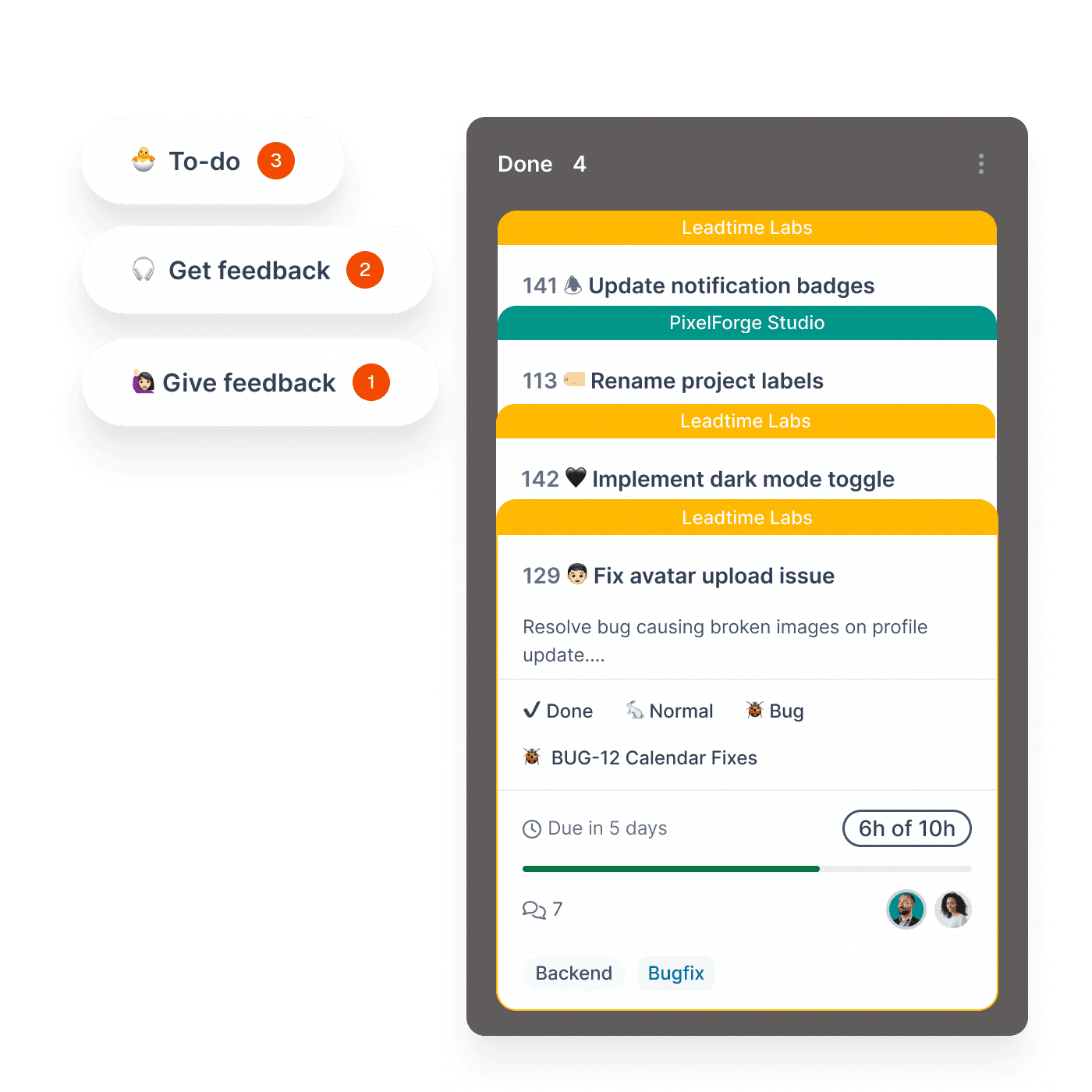
The time of skilled professionals like developers is too valuable to waste on idle moments or constant coordination. Leadtime’s Stacks view automatically translates the task assignments and priorities from the Pipeline into each team member’s personal work board. The planned order becomes the working order — no extra steps needed.

Team leads can supply a continuous, well-prioritized flow of work without micromanaging, while developers stay focused on what matters most and keep delivering at maximum speed.

Try for free
Personal work stack
Race track

Run twice the projects in half the time

Ready, set, go: your workspace live in minutes, free for 1 month.

Try for free now!

FAQ

Got questions? We’ve got answers.

Leadtime uses a four-stage planning chain: Big Picture (prioritizing tasks with customers per project), Pools (cross-project prioritization for agents managing multiple clients), Pipelines (weekly team capacity planning showing 15-minute time slots per developer), and Stacks (individual task lists for each specialist). This creates a clear path from customer priorities to individual workload, ensuring resources are allocated where they create the most value while preventing team overload.

Workload Insights shows you whether your team is keeping up with the current ticket load or falling behind. You see which projects are particularly busy, where tasks are piling up, and can track trends over weeks or months. The breakdown by age reveals overdue tickets – showing you exactly how many tasks are "under 1 week", "4-8 weeks", or "over 12 weeks" old. This lets you spot bottlenecks before they escalate and rebalance workloads proactively instead of reacting to crises.

Employee Insights analyzes exactly what each team member worked on and how valuable those activities were. You can compare multiple employees side-by-side on productivity, project distribution, and billable time. The value groups breakdown categorizes work into Direct Value, Indirect Value, Non-Value, and Waste – showing you who spends time on high-value work versus administrative overhead. This turns subjective performance reviews into objective, data-backed conversations about capacity utilization, training needs, and fair compensation.

Because vague capacity planning leads to overcommitment. The Pipeline splits each workday into 15-minute sections and shows exactly how much bandwidth each developer has available per day. When you see that Sarah has only 2 hours free on Wednesday but you're planning to assign a 4-hour task, you immediately know there's a problem. Team leads can moderate weekly planning meetings where everyone brings their prioritized tickets, and together you decide what actually fits into the week – preventing the "sure, I can squeeze that in" syndrome that burns people out.

Pools give agents a multi-project dashboard where they see prioritized tickets from all their managed clients side-by-side. Instead of jumping between individual project views, they have one place to decide which tasks will bring the most benefit to the company in the coming days. Team leads can intervene and set strategic priorities – like highlighting high-revenue tasks. This cross-project visibility prevents the problem of serving the loudest client while neglecting strategic opportunities, and ensures work is prioritized by business value, not just urgency.

The Stack is a personalized Kanban board that shows tasks in the exact order set during Pipeline planning. When a developer hits a blocker, they move the ticket to "Request feedback", assign it to the responsible colleague, and immediately move to the next task without waiting. This prevents context-switching chaos and reduces follow-up questions. The Stack's structure eliminates the "what should I work on next?" decision fatigue – everything is pre-prioritized, and developers can focus on execution instead of planning.